 blog
blog
Seamless Gutter Installation Near Me: A Local Guide
Table of Contents
- What Seamless Gutter Installation Involves
- Understanding Seamless Gutter Installation Cost
- How to Find Qualified Seamless Gutter Installers
- The Gutter Installation Process Explained
- Gutter Guards for Seamless Gutters: Keeping Debris Out
- Materials, Styles, and Durability
- Why Local Installation Matters for Your Home
- Frequently Asked Questions
Last Updated: October 11, 2026
What Seamless Gutter Installation Involves
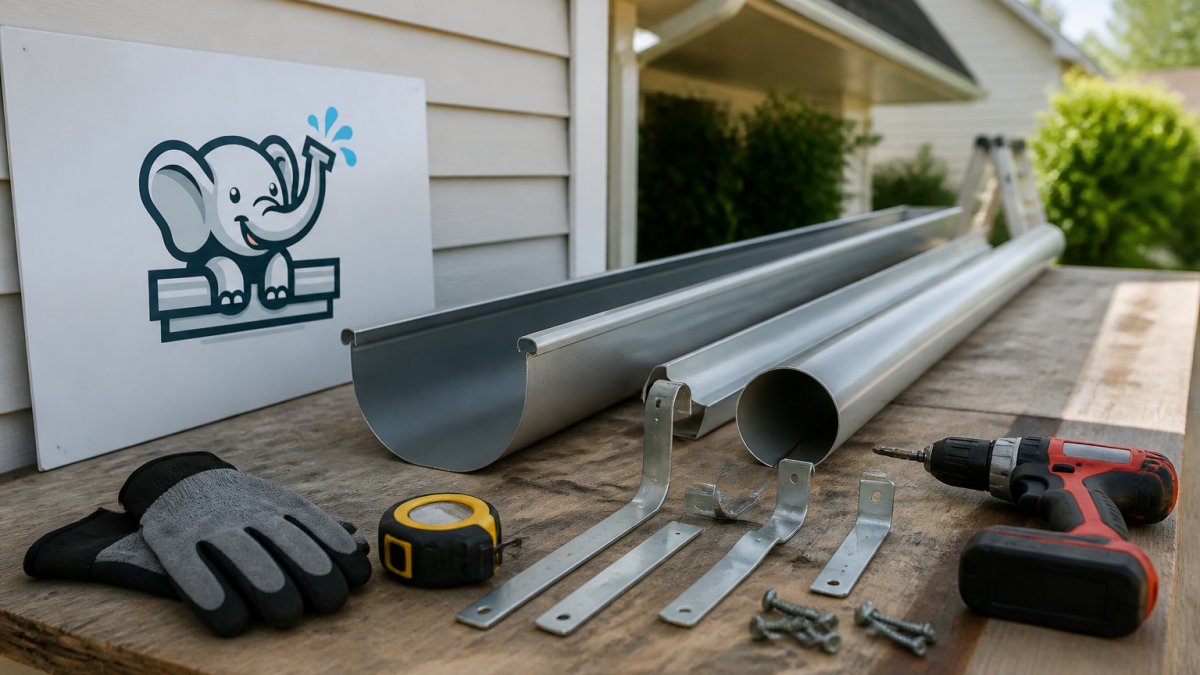
Seamless gutter installation is the process of custom-fabricating and mounting rain gutters on-site to create a single, continuous channel with no joints or seams along your roofline. Unlike sectional gutters assembled from pre-made pieces, seamless gutters are formed to fit your exact home dimensions, then secured to your fascia board to direct water away from your foundation.
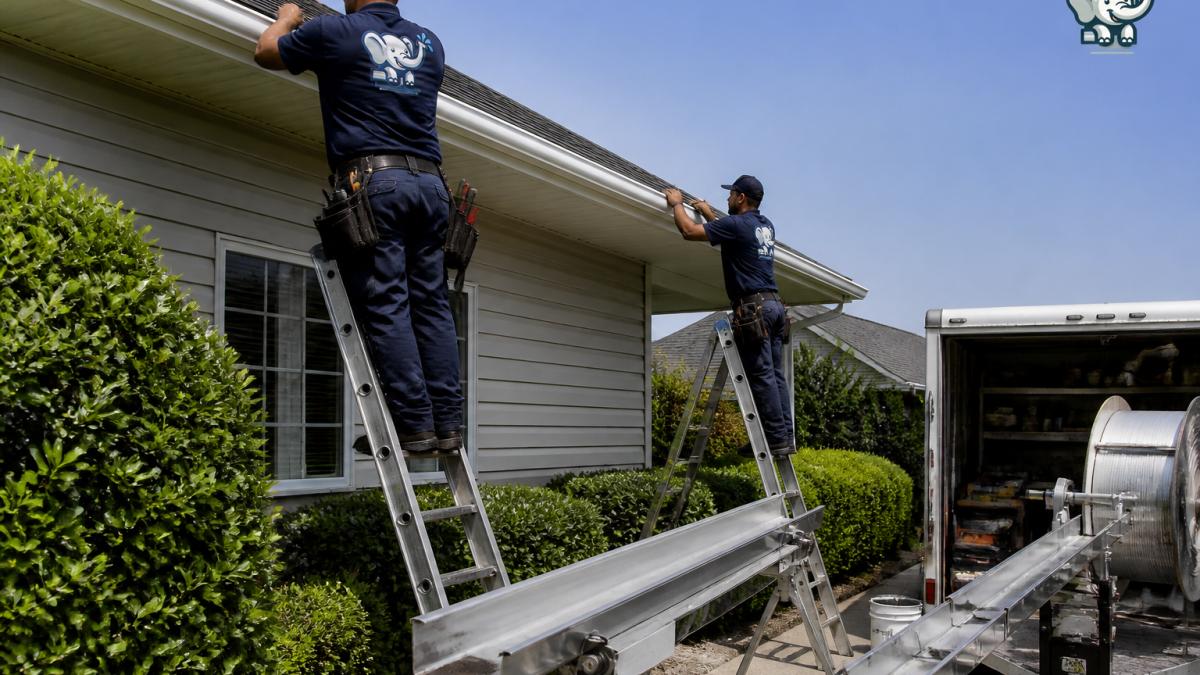
A seamless gutter machine arrives at your property and extrudes aluminum into the precise length and profile your home needs, eliminating connection points where water can leak or debris can collect.
Understanding Seamless Gutter Installation Cost
Seamless gutter installation cost varies widely based on material, home size, roof complexity, and local labor rates.
Cost Breakdown by Component
Your final invoice typically includes four main components: materials, fabrication, labor, and optional add-ons.
Materials account for 30-50% of the total cost. Aluminum, steel, and copper are common material choices.
Fabrication and on-site extrusion add $1-$3 per linear foot. Complex rooflines with multiple valleys, dormers, or angles incur higher costs due to additional cuts and transitions.
Labor typically ranges from $2-$5 per linear foot, depending on regional wage rates and job complexity. Most jobs take 1-2 days; steep roofs, high homes, or significant fascia damage may require additional time.
Fascia repair or replacement ranges from $500-$2,000 for repairs to $3,000-$8,000 for full replacement.
Downspout extensions and drainage systems add $200-$1,000. Extensions carrying water 4-6 feet from your foundation or underground drainage connections prevent foundation water damage.
Gutter guards or leaf screens range from $500 to $2,500 depending on the type and linear footage. Mesh screens are the most affordable; solid covers with reverse-curve technology cost more but offer superior debris blocking.
Estimating Your Total Cost
A typical 2,000-square-foot home requires 150-200 linear feet of gutters. Material and installation costs vary. With fascia repair and gutter guards, a complete project's cost depends on the specifics of the home.
Regional variation is significant, labor costs in metropolitan areas are typically 20-40% higher than in rural regions.
Why Quotes Vary So Much
Quote variation reflects differences in material gauge, scope of work (fascia inspection, downspout strategy), warranty coverage, and overhead. Quotes can vary among providers.
Don't choose the lowest bid. Significantly lower quotes may indicate cut corners on material gauge, labor quality, or warranty coverage.
Getting Accurate Quotes
Provide each installer with the same information: square footage, roof pitch, number of stories, fascia condition, and specific concerns. Ask each to specify material type and gauge, labor hours, warranty coverage, and cost per linear foot broken down by component.
How to Find Qualified Seamless Gutter Installers
Finding a trustworthy local installer requires vetting candidates on credentials, experience, and reliability, not just price or star ratings.
The Contractor Vetting Checklist
Before scheduling an estimate, use this checklist to qualify installers:
Licensing and Insurance
- Verify a valid business license and good standing.
- Confirm general liability insurance (minimum $1 million) and workers' compensation insurance. Request a certificate.
- Check whether they are bonded.
Experience and Track Record
- Ask how many years they've been installing seamless gutters.
- Request references from three jobs completed in the past 12 months. Ask: Was work completed on schedule? Did the crew clean up? Any issues since? Would you hire again?
- Ask whether they specialize in seamless gutters or offer them as one service among many.
Written Estimates and Contracts
- Insist on a written estimate itemizing material, fabrication, labor, and add-ons. Verbal quotes are red flags.
- The estimate should include linear footage, material type and gauge, gutter profile, color, downspout configuration, and fascia or guard costs.
- Review the contract for start/completion dates, payment terms, warranty details, and contingencies.
- Avoid contractors demanding full upfront payment. Standard practice is 25-50% deposit with balance due upon completion.
Warranty and Guarantees
- Ask what the warranty covers: materials, labor, or both? Warranties vary.
- Get the warranty in writing. Clarify what voids it (improper maintenance, ice dams, acts of nature).
Permits and Code Compliance
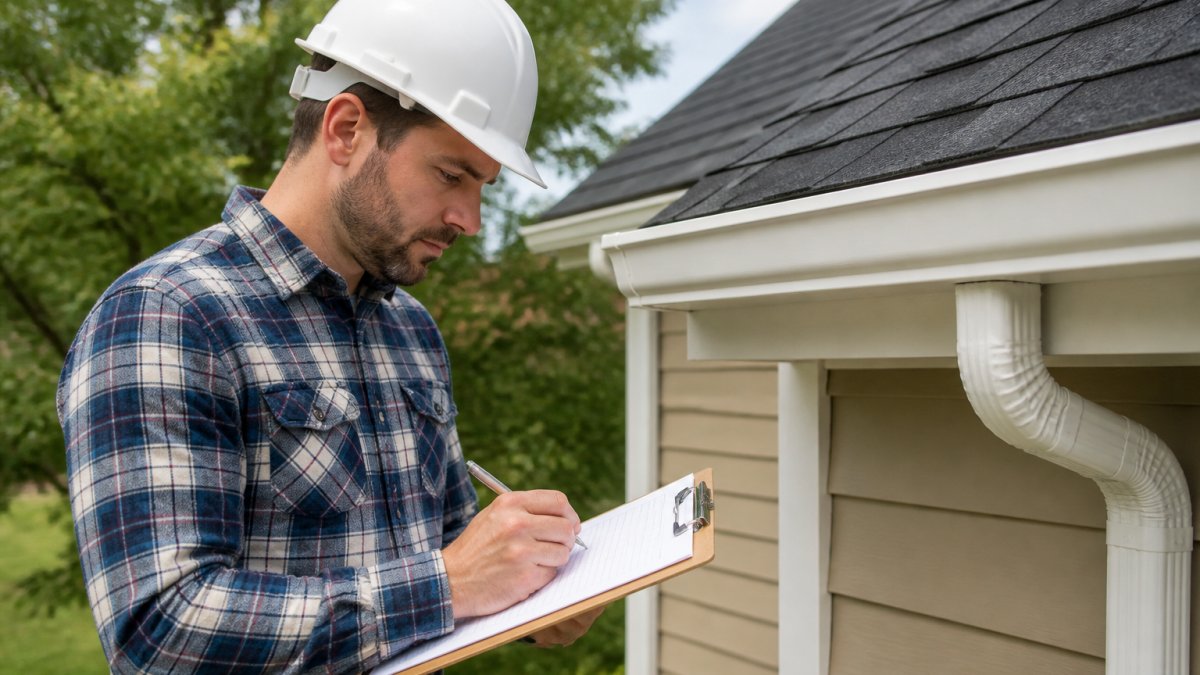
- Ask whether the installer pulls permits. Permits may be required for gutter installation, especially with fascia repair. Verify with your local building department if the installer claims permits aren't necessary.
- Confirm they're familiar with local building codes and snow load requirements.
Communication and Professionalism
- Assess response time to calls and emails. Slow communication during sales often signals poor communication during the job.
- Check their online presence: website, Google Business Profile, social media. Established companies maintain these and respond to reviews.
Red Flags to Avoid
Do not hire an installer if they:
- Quote over the phone without visiting your home. Accurate estimates require on-site measurement and assessment of fascia condition and roof complexity.
- Pressure you to decide immediately. Legitimate contractors are comfortable with you getting multiple quotes and taking time to decide.
- Cannot provide proof of insurance or references. This suggests they may not be properly insured or may have a poor track record.
- Offer a price significantly lower than other quotes without explaining why. Unusually low bids often indicate cut corners on material gauge, labor quality, or warranty coverage.
- Do not mention permits or fascia inspection. A professional installer always assesses whether permits are needed and whether fascia repair is required.
- Offer financing through third-party lenders with high interest rates as the primary payment option. This can indicate they're targeting homeowners with limited cash and may be more aggressive in upselling.
How to Compare Multiple Quotes
Once you've narrowed your list to 3-5 qualified installers, compare their estimates side-by-side using this framework:
Material Cost: Verify that all quotes specify the same material type and gauge. If one quote is for standard-gauge aluminum and another for heavy-gauge, the price difference is expected and justified.
Labor and Fabrication: Compare cost per linear foot for labor and fabrication. If one installer is significantly higher, ask why, they may be including fascia repair, additional downspouts, or a longer warranty.
Scope of Work: Confirm whether each estimate includes fascia inspection, minor repairs, downspout extensions, and cleanup. Differences in scope explain price variation.
Warranty: A longer or more comprehensive warranty may justify a higher upfront cost because you have better protection long-term.
Timeline: Ask about scheduling and how long the job will take. Some installers may have a longer lead time but offer better availability for follow-up service.
After comparing, choose the installer who best balances price, experience, warranty, and communication, not necessarily the cheapest option.
The Gutter Installation Process Explained
The installation process for seamless gutters follows a logical sequence designed to ensure proper fit, function, and longevity. Understanding what happens during installation helps you know what to expect and why each step matters.
What Happens on Installation Day
Installation typically takes one to two days. The crew inspects your fascia and roofline, then feeds aluminum coil into the on-site machine, which extrudes it to your home's exact profile and length. The gutter is positioned along your roofline and secured to the fascia with appropriately spaced fasteners. Downspouts are attached and directed 4-6 feet from your foundation or into a drainage system. Finally, the crew tests water flow to verify proper slope and check for leaks, then cleans up the property.
Common Mistakes to Avoid During Installation
Common installation mistakes include improper slope (gutters need to pitch 1/8 inch per 10 linear feet toward downspouts), undersized gutters for your climate (standard 5-inch gutters may not handle heavy rainfall or ice dams; 6-inch gutters or additional downspouts prevent overflow), and poor fastening (inadequate spacing causes sagging). A qualified installer familiar with regional weather patterns avoids these errors.
Gutter Guards for Seamless Gutters: Keeping Debris Out
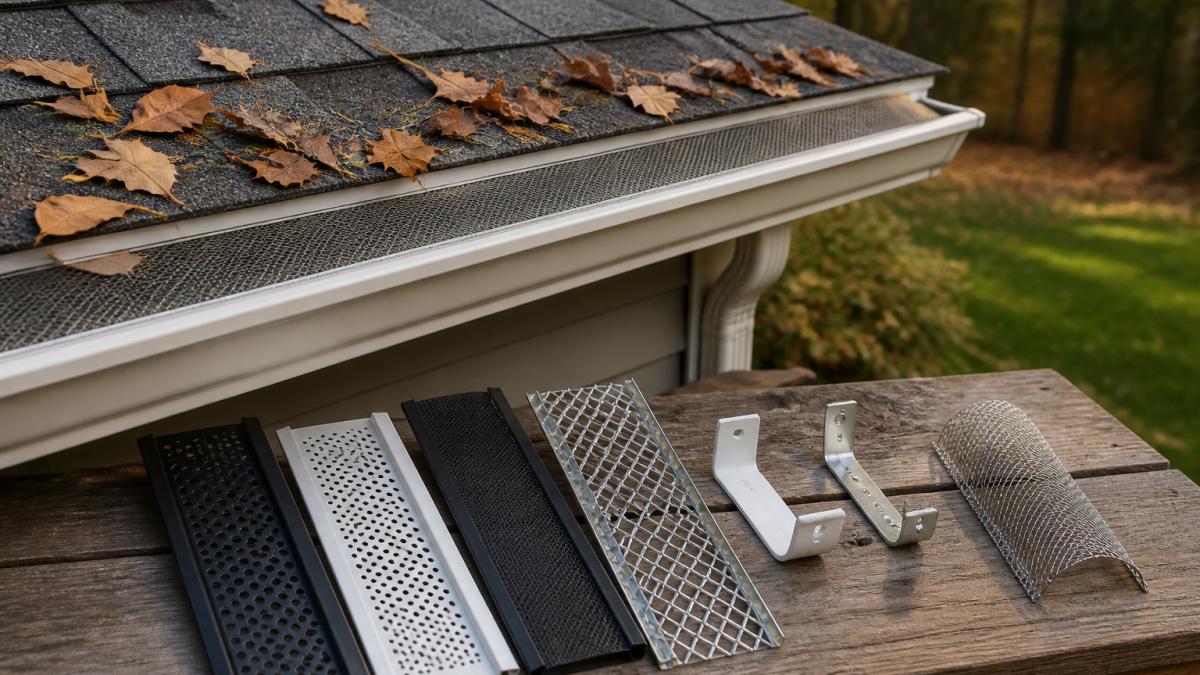
Gutter guards are screens, meshes, or covers that sit on top of your gutters to block leaves, pine needles, and debris while allowing water to flow through. For seamless gutters, guards are especially effective because there are no seams where debris can accumulate and cause problems.
There are several types of guards available. Mesh screens are affordable and easy to install. Solid covers with a curved design let water flow down while deflecting debris. Some systems use reverse-curve technology where water clings to the edge and flows into the gutter while debris falls away. The best choice depends on your local vegetation and rainfall patterns. Homes surrounded by trees benefit from more strong guards, while properties with minimal overhanging branches can use simpler solutions.
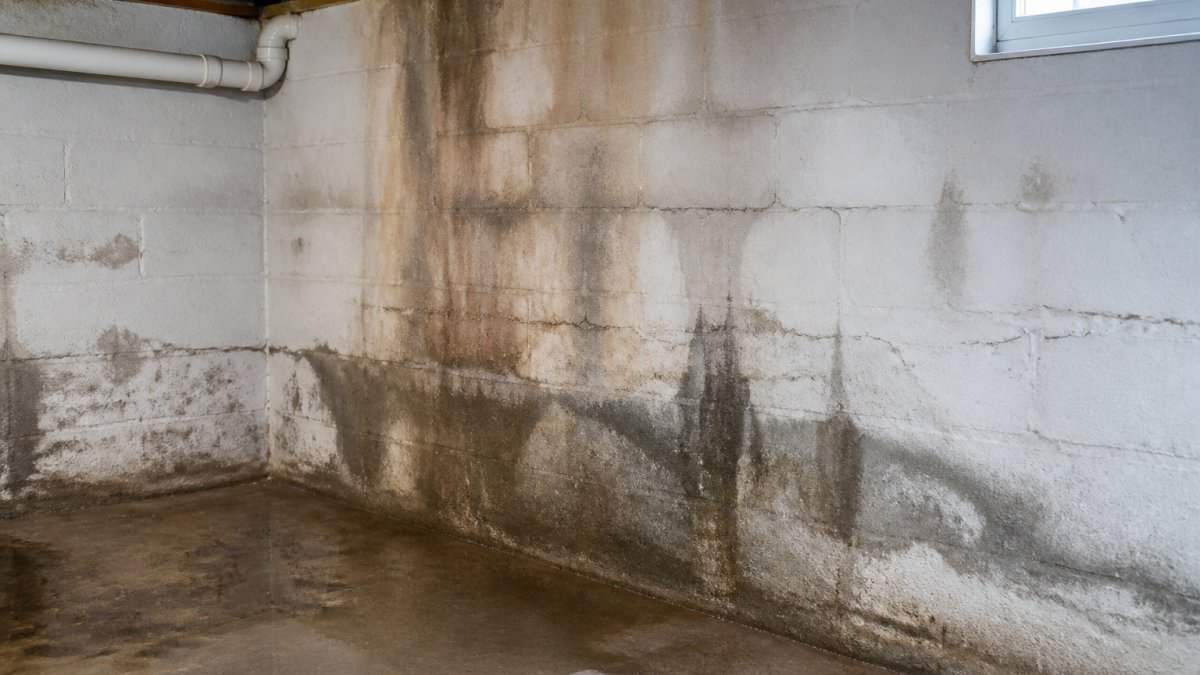
The key benefit is reduced maintenance. Without guards, you're cleaning gutters two to four times per year. With guards, maintenance drops to once or twice annually. This also prevents water damage to your foundation caused by clogged gutters backing up and overflowing.
Materials, Styles, and Durability
Your choice of gutter material affects both performance and longevity. Aluminum is the most common choice for residential installations, it's lightweight, rust-resistant, affordable, and available in numerous colors to match your home's exterior. Aluminum gutters typically last 20-30 years with proper maintenance.
Heavy-Gauge Aluminum and K-Style Options
Heavy-gauge aluminum (0.032 inches thick) is thicker and more durable than standard gauge. It resists denting from ladder contact, hail, or falling branches. If you live in an area prone to severe weather or have large trees nearby, heavy-gauge is worth the investment because it withstands impact better and maintains its shape over decades.
K-style gutters are the most popular profile for residential homes. They have a decorative crown that resembles crown molding, giving your home a finished appearance. The profile also provides structural strength. Half-round gutters are another option, they're more traditional and work well on older or historic homes. Both profiles come in seamless configurations and perform equally well when properly installed.
Color matters too. Most homeowners choose colors that match their fascia or soffit. Black, white, brown, and gray are standard options. Some manufacturers offer custom colors, though these may carry a premium. The color doesn't affect performance, only aesthetics and how well the gutters blend with your home's exterior.
Why Local Installation Matters for Your Home
Local installers understand regional weather patterns, soil conditions, and building codes in ways national chains cannot. If you live in an area prone to ice dams, a local installer knows to recommend gutters with extra capacity and heating cables. If heavy clay soil means water drains slowly, they'll suggest downspout extensions or underground drainage systems to move water farther from your foundation.
Local service also means accountability. If a problem arises, you know where to find them. They have a reputation in your community to protect, so they're motivated to do quality work. When you call with a question or concern, you're not navigating a phone tree, you're talking to someone who knows your property and your area.
Protecting your home from water damage starts with gutters that work. Seamless gutter installation eliminates the weak points where sectional gutters fail, and choosing a qualified local installer ensures the job is done right the first time. At Hung Right Seamless Gutters, we've spent over 25 years perfecting this process for families and businesses in our community.
Frequently Asked Questions
What factors affect the cost of seamless gutter installation?
Several factors influence your seamless gutter installation cost: the linear footage of gutters needed, your home's roofline complexity, material choice (aluminum, copper, or steel), gutter profile (K-style or half-round), regional labor rates, and whether you need downspouts or leaf guards. Custom on-site fabrication adds value but requires a site visit estimate. Contact us for a personalized quote based on your specific home.
How long does seamless gutter installation take?
Most residential seamless gutter installations take one to two days, depending on the linear footage and your home's roofline complexity. A single-story home with 150–200 linear feet typically completes in one day. Two-story homes or those requiring extensive downspout work may take longer. Your installer can provide a timeline during the initial consultation and free evaluation.
What should I look for when hiring a seamless gutter installer?
Look for installers with proven experience, customer reviews, and transparent communication. Ask about their warranty on workmanship, whether they carry liability insurance, and if they pull necessary permits. Request a free estimate and compare their approach to understanding your specific drainage needs. Family-owned businesses with 20+ years of experience often provide reliable, personalized service without corporate markups.
Are seamless gutters cheaper than regular sectional gutters?
Seamless gutters typically cost more upfront than sectional gutters because they're custom-fabricated on-site and require professional installation. However, they last longer, require less maintenance, and reduce leak problems at seams. Over time, the durability and fewer repairs often make seamless gutters the better investment, especially in areas with heavy rainfall or debris.