 how-to
Seamless Gutter Repair Tyler TX: Costs & Fixes
Table of Contents
- Seamless Gutter Repair in Tyler, TX: What to Expect
- How to Clean Clogged Downspouts Before They Cause Damage
- Seamless Gutter Leak Repair: Finding the Source
- Sagging Gutter Repair: Why Gutters Pull Away
- Gutter Replacement vs Repair: Making the Call
- Gutter Repair Costs and What Drives Them
- DIY Safety and When to Call a Professional
- Frequently Asked Questions
Last Updated: October 12, 2026
Seamless Gutter Repair in Tyler, TX: What to Expect
Gutter repair Tyler starts with one question: is the problem a clog, a leak, or a run pulling away from the house? Fix the wrong one and you'll be back on a ladder within a season.
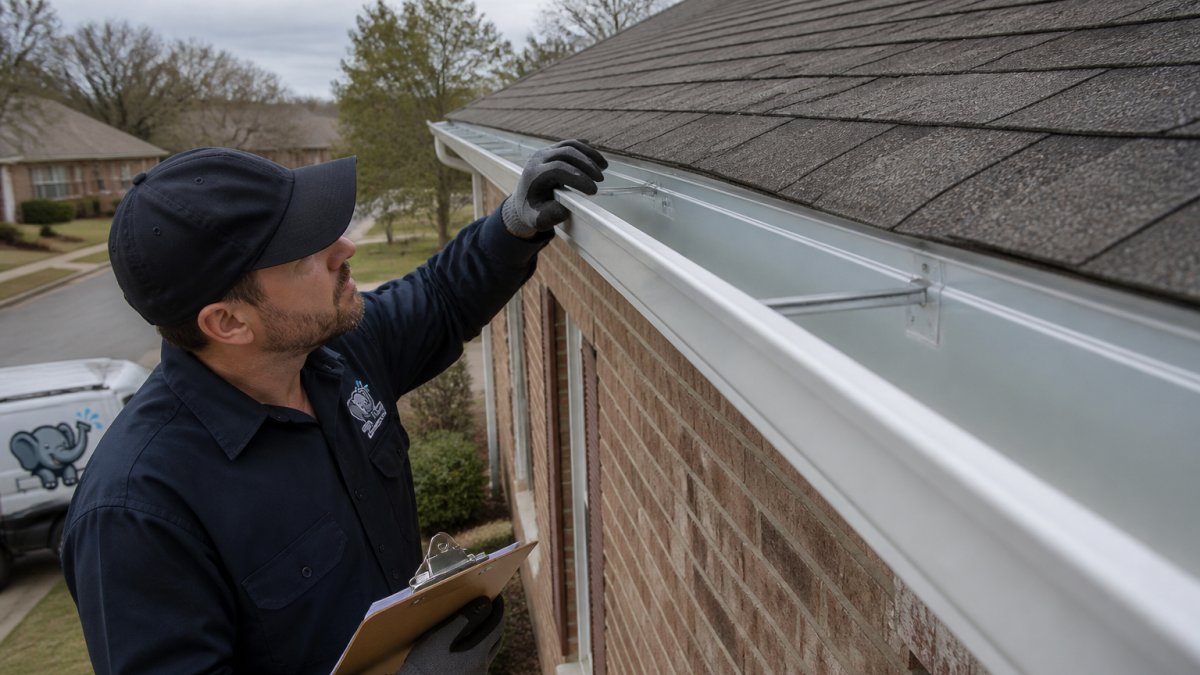
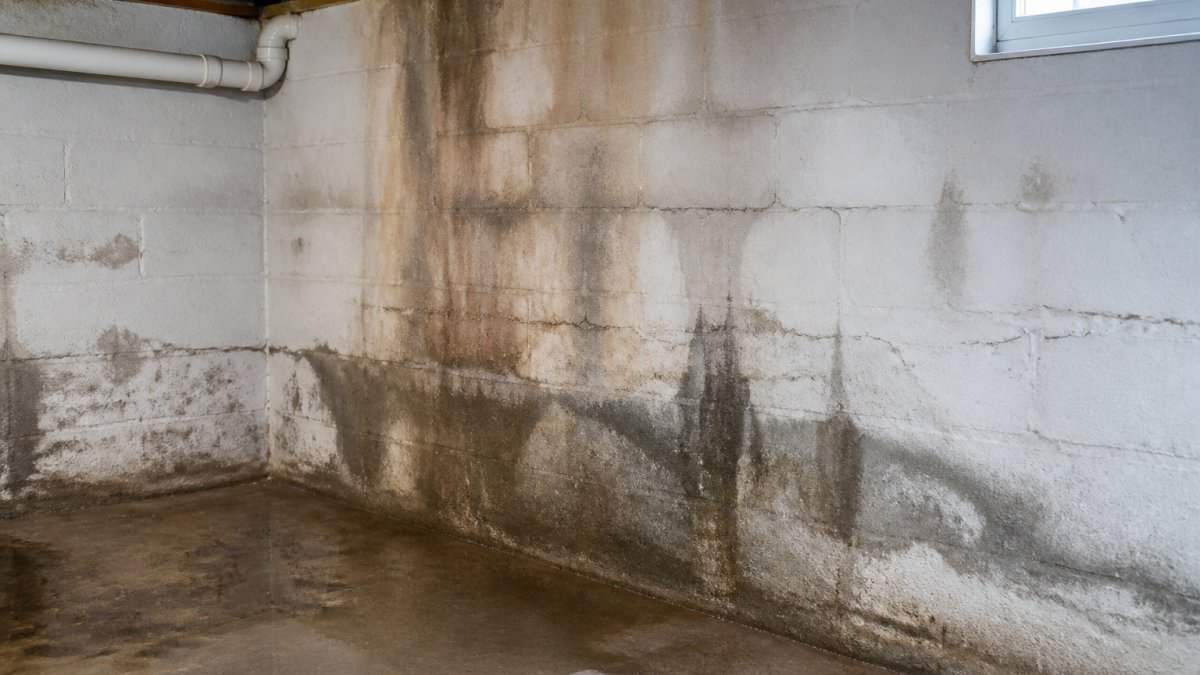
Most homeowners call after spotting a fascia stain or a puddle against the foundation, that's late, since water has already been running where it shouldn't for weeks.
A standard evaluation covers the full system:
- Checking slope on every run, since water that sits instead of moving points to a pitch problem
- Testing seams and end caps with a hose to find slow leaks that only show up during heavy rain
- Inspecting hangers and spikes to see whether the gutter is still attached to solid wood
- Checking downspout flow and where discharge lands relative to the foundation
- Looking at fascia and soffit for rot that has to be fixed before new gutter goes up
How to Clean Clogged Downspouts Before They Cause Damage
Cleaning a clogged downspout is a five-step job, and skipping the last step is why so many clog again within months.
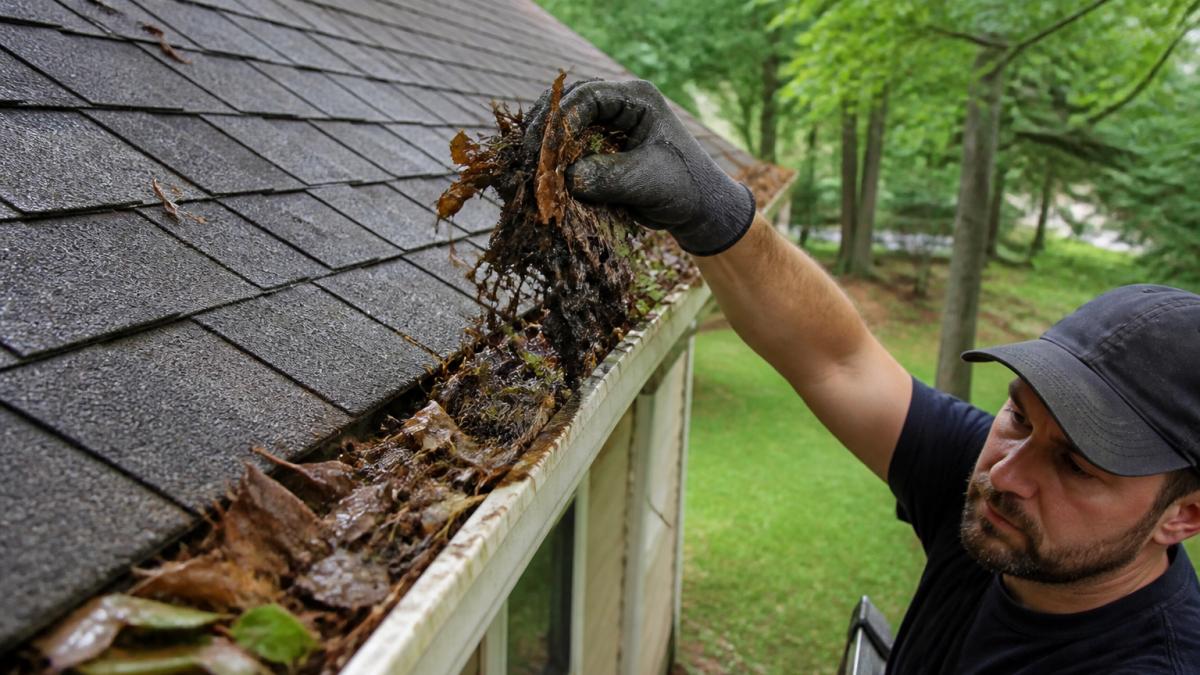
- Clear the gutter run first. Debris in the channel feeds straight into the downspout, so don't start at the bottom. Scoop by hand or with a gutter scoop, not a hose, so you remove material instead of pushing it downstream.
- Remove the downspout elbow at the bottom. This gives you access and shows what comes out. On most aluminum downspouts the elbow is held by two screws; a nut driver is faster and less likely to strip the heads.
- Flush from the top with a hose. A steady stream, not full pressure, so you don't force a blockage tighter. If water backs up immediately, it's a solid plug, go to step 4.
- Feed a plumber's snake or stiff wire up from the bottom if water still backs up, working in short pushes rather than one hard shove. A snake with a bulb auger tip grabs matted leaf matter better than a straight wire.
- Run water through and watch the discharge point. Confirm it flows away from the foundation. If it pools within three feet, the discharge needs an extension or splash block before the next storm.
When the standard sequence fails. Three patterns show up on East Texas homes that the generic five steps don't solve:
- A crushed or disconnected underground drain line. If water backs up at the bottom even after clearing, the buried line may be collapsed or root-clogged. Run water and watch the yard, if it surfaces in the lawn instead of at the pop-up emitter, the line is the problem, not the downspout.
- A downspout that's too small for the roof area. A 2x3-inch downspout handles roughly 600 square feet of roof; a 3x4-inch handles roughly 1,200. If yours overflows in every heavy rain even when clean, upsize the downspout.
- A hidden second story transition. Two-story homes often have an upper downspout dumping into a lower gutter run. That transition is where clogs start, and it's easy to miss from the ground.
Why this matters more here than in most markets. The local pattern is long dry stretches followed by intense rain. Debris dries, hardens, and forms a plug light rain can't wash through; then a downpour sends water over the edge and down the siding.
Twice-a-year cleaning, late fall after leaf drop and again in early spring before storm season, prevents most of the clogs that turn into fascia rot. If you're on a wooded lot, add a third pass in midsummer.
Seamless Gutter Leak Repair: Finding the Source
Seamless gutter leak repair begins with locating the leak, and the drip you see is rarely where the water starts. Water travels along the underside of the gutter, down the fascia, and shows up somewhere else entirely.
Start with a hose and work in sections: run water at low volume at one end and watch where it emerges. Common culprits:
- Failed sealant at seams and corners. Seamless gutters have far fewer joints than sectional ones, but corners and end caps still exist.
- Loose or missing hangers. When a hanger pulls free, the gutter sags, water pools at the low spot, and that standing water finds every weak point.
- Holes from fasteners or debris impact. Small punctures from a fallen branch or an old spike hole let water drip straight through.
- Overflow at the back edge. If the gutter is pitched toward the house instead of away, water runs behind it and rots the fascia. That reads as a leak but it's actually a slope problem.
For a leaking seam, clean the joint completely, let it dry, and reseal with gutter sealant made for the material. For a slope problem, sealant won't help, the run has to be re-pitched.
Sagging Gutter Repair: Why Gutters Pull Away
Sagging gutter repair almost always comes down to the hangers, not the gutter itself.
Three things cause sagging:
Hanger spacing that's too wide. Gutter needs support at regular intervals. When hangers are spaced too far apart, the run bows under the weight of standing water.
Rotted fascia board. If the wood behind the gutter has softened from years of overflow, the fasteners have nothing solid to grip. New hangers won't hold.
Water weight. A clogged gutter holds far more weight than most people expect. A run that was fine for years can start pulling away after one season of blockages.
On a sagging run we check the fascia first. If the wood is sound, re-hanging with proper spacing usually solves it.
Gutter Replacement vs Repair: Making the Call
The decision between gutter replacement and repair comes down to how much of the system is still sound. Isolated damage to one run or a few seams favors repair; problems spread across the whole system mean patching section by section costs more over a few years than replacing once.
Use this as a rough guide:
| Situation | Recommended Path | Why |
|---|---|---|
| One or two leaking seams | Repair | Isolated failure, rest of system is sound |
| Single sagging run with solid fascia | Repair | Re-hang with proper hanger spacing |
| Sagging across multiple runs | Replacement | Widespread hanger or fascia failure |
| Rust-through or cracks in multiple sections | Replacement | Material has reached end of life |
| Overflow caused by undersized gutters | Replacement | A 5-inch run may need to be 6-inch for the roof area |
| Damage after a storm, isolated to one side | Repair | Contained damage, rest of system intact |
Gutter size matters here: a 5-inch gutter handles a certain roof area, a 6-inch handles more. If your gutters overflow in every heavy rain even when clean, the issue is capacity, not maintenance, no amount of repair fixes an undersized system.
Gutter Repair Costs and What Drives Them
Gutter repair costs depend on scope, access, and material, and anyone quoting a flat number over the phone is guessing.
Typical repair ranges. Most single-family gutter repairs fall into these bands. Treat them as planning ranges, not quotes; every property differs.
| Repair Type | Typical Range | What's Included |
|---|---|---|
| Reseal one leaking seam or end cap | $75-$200 | Clean joint, dry, reseal with gutter sealant |
| Re-pitch or re-hang one run (up to 40 ft) | $150-$400 | New hangers, spike-and-ferrule reset, slope correction |
| Replace a damaged downspout section | $100-$300 | New downspout, elbows, fasteners, discharge check |
| Patch a hole or puncture | $50-$150 | Clean, patch, seal, water test |
| Replace a short run of gutter (up to 20 ft) | $250-$600 | New seamless section, hangers, sealed transitions |
| Fascia repair before re-hanging | $200-$800+ | Remove rotted wood, replace with new fascia board, then re-hang |
What actually drives the cost up or down:
- Linear feet involved. A single seam costs far less than re-hanging an entire run. Quotes are built per linear foot, so a 20-foot repair isn't twice a 10-foot one, setup, ladder time, and material match are largely fixed.
- Height and access. A single-story home is quicker and safer than a two-story with steep pitch or landscaping in the way. Two-story work typically adds 25-50% to labor for setup, safety equipment, and slower movement.
- Fascia condition. If wood must be replaced before the gutter can be re-hung, that's extra labor and material, the most common reason a "simple" quote grows once work starts. Ask any contractor to check fascia during the estimate, not after.
- Gutter size and material. Matching an existing 5-inch or 6-inch profile, and whether it's aluminum or another material, affects the parts needed. Aluminum is the most common and cheapest to match; copper and steel cost more and may need different fasteners and sealants.
- Whether guards are already installed. Guards sometimes come off and go back on to reach the repair area, adding labor. On some systems the clips are single-use and must be replaced.
- Time of year. After a major storm, demand spikes and scheduling stretches out. Off-season work is easier to schedule and sometimes priced better.
What we won't do. We won't quote a firm number over the phone without seeing the property, because the two variables that move price most, fascia condition and access, can't be assessed from a description.
DIY Safety and When to Call a Professional
Some gutter work is genuinely safe to do yourself. Cleaning debris out of a single-story run with both feet on a stable ladder is reasonable. Anything beyond that gets risky fast.
Skip the DIY route if any of these apply:
- Your roofline is two stories or steeper than you're comfortable with
- The gutter is pulling away from the fascia, which means the fastening points are compromised
- You'd be working near power lines or service drops
- The fascia is soft or rotted
- You'd be alone on the property with no one to spot the ladder
Ladder falls are one of the most common home-injury causes in the country, and the CDC's guidance on fall prevention is blunt about it: most falls happen during routine tasks people assumed were safe.
If you're determined to clean your own gutters, do it on a dry day with a spotter, use a ladder rated for your weight plus the weight of any tools, and never lean out to reach a section. Move the ladder instead. It takes longer and it's the difference between a chore and an emergency room visit.
For re-pitching, re-hanging, or sealing seams above the first story, the math usually favors hiring it out, the tools and fall risk aren't worth it.
Gutter problems rarely fix themselves, and the water damage they cause gets more expensive the longer it runs. If you see fascia stains, a puddle against the foundation, or a run visibly pulling away, get it looked at before the next heavy rain.
Frequently Asked Questions
Can seamless gutters be repaired, or do they need to be replaced?
Seamless gutters can often be repaired. Leaks at seams, end caps, or downspout connections are common and fixable with sealant or new fasteners. Sagging sections can be re-secured with new hangers. However, if the gutter has cracks, heavy rust, or multiple failing sections, replacement may be more cost-effective. A professional can assess whether repair or replacement makes sense for your home.
How do you fix a leaking seamless gutter?
First, identify the leak source. Check seams, end caps, and downspout outlets. Clean the area thoroughly, then apply gutter sealant or replace the failing fastener. For persistent leaks, a professional may need to re-pitch the gutter or replace a damaged section. If water is pooling near your foundation, address the leak quickly to prevent water damage.
What causes seamless gutters to sag or pull away from a house?
Sagging usually happens when hangers loosen, spacing is too wide, or the gutter is clogged and holding water weight. In East Texas, heavy rain and debris like pine needles can accelerate this. If the fascia board is rotted, hangers won't hold. Repair involves re-securing hangers, adding more support, or replacing damaged fascia before reattaching the gutter.
How often should gutters and downspouts be inspected and cleaned?
Inspect gutters at least twice a year, ideally in spring and fall. If you have pine trees or heavy leaf drop, clean them more often, especially before and after storm season. Clogged downspouts can cause overflow and foundation damage. A preventive maintenance schedule keeps water flowing and extends the life of your gutter system.